How EMS Software Streamlines Scene Documentation and Reporting
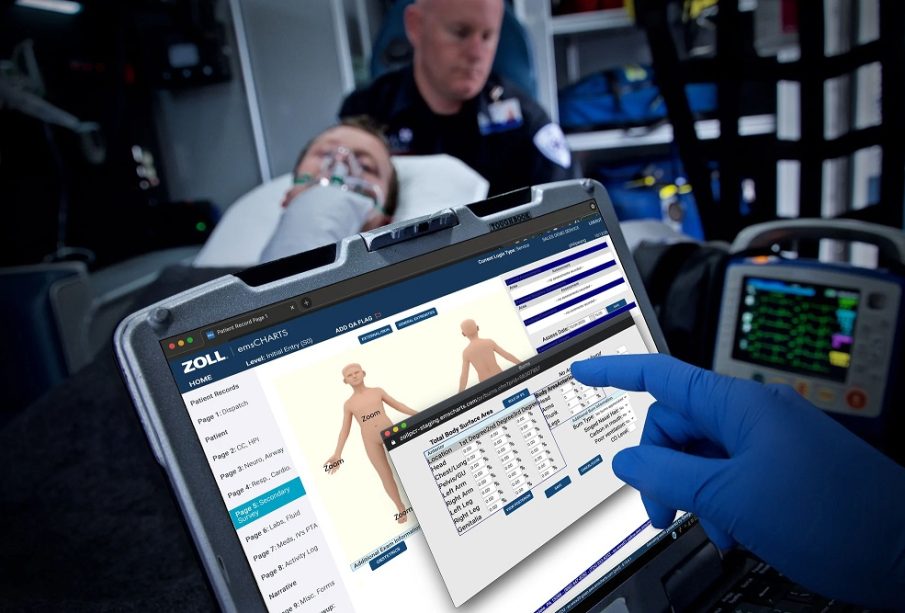
In the dynamic and high-pressure environment of emergency medical services (EMS), the need for accurate and efficient scene documentation and reporting cannot be overstated. As first responders navigate critical situations, the ability to capture and relay vital information swiftly is essential for ensuring patient safety and facilitating effective communication among healthcare providers. Traditional methods of documentation often involve cumbersome paperwork and manual data entry, which can lead to errors, delays, and a potential compromise in patient care. However, advancements in technology have ushered in the era of EMS software, specifically designed to streamline these processes. By automating data collection and integrating real-time reporting features, EMS software not only enhances the accuracy of documentation but also significantly reduces the time spent on administrative tasks. This allows paramedics and emergency responders to focus more on patient care rather than paperwork. In this article, we will explore how EMS software transforms scene documentation and reporting, highlighting its key features, benefits, and the profound impact it has on the overall efficiency of emergency medical services. By examining these innovations, we aim to provide a comprehensive understanding of how technology is revolutionizing the way EMS professionals deliver care in the field.
Enhance Efficiency with EMS Software Solutions
The integration of EMS software into emergency medical services significantly optimizes operational workflows, enabling organizations to achieve higher levels of efficiency. By automating various administrative tasks such as scheduling, resource allocation, and billing processes, EMS software minimizes manual errors and reduces the time required for documentation. This not only allows staff to focus more on patient care but also enhances the overall response times during emergencies.
Moreover, EMS software provides real-time data access and analytics, empowering teams to make informed decisions on the scene and improve patient outcomes. The software facilitates seamless communication among team members, ensuring that critical information is readily available and that all personnel are on the same page. With robust reporting capabilities, EMS software enables organizations to analyze performance metrics, identify areas for improvement, and enhance training programs, ultimately leading to a more efficient and effective emergency response system.
Improve Accuracy in Scene Documentation
enhancing the quality of scene documentation is a critical advantage of utilizing EMS software. By offering structured templates and standardized protocols, the software ensures that all necessary data is collected consistently, reducing the likelihood of omissions or inaccuracies. This systematic approach not only streamlines the documentation process but also fosters a culture of thoroughness and precision within the team.
Additionally, the ability of EMS software to integrate with electronic health records (EHR) and other systems further enhances the accuracy of documentation. Real-time syncing allows paramedics and first responders to update patient information on the spot, ensuring that transport facilities and receiving hospitals have the most current data. This level of accuracy is crucial for effective patient care and facilitates better decision-making, ultimately leading to improved outcomes in emergency situations.
Simplify Reporting Processes Using EMS Software
The implementation of EMS software significantly reduces the complexity associated with reporting processes, allowing emergency service teams to focus more on patient care rather than administrative tasks. By automating data entry and consolidating information from various sources, EMS software minimizes the time and effort required to generate detailed reports. The intuitive interfaces and user-friendly dashboards enable users to quickly access essential metrics and analytics, transforming raw data into actionable insights.
Moreover, EMS software enhances collaboration among team members through shared access to reporting tools and documentation. This centralized approach not only streamlines communication but also ensures that all stakeholders are on the same page regarding patient history and incident analysis. By fostering a more efficient reporting environment, EMS software ultimately contributes to improved operational effectiveness, enabling teams to respond swiftly and effectively in critical situations.
In conclusion, the integration of EMS software into scene documentation and reporting processes represents a significant advancement for emergency medical services. By enhancing accuracy, efficiency, and data management, these tools not only streamline operations but also improve patient care outcomes. As EMS professionals increasingly rely on technology to capture critical information in real time, the ability to generate comprehensive reports with ease will become indispensable. Ultimately, adopting EMS software can lead to more efficient workflows, better resource allocation, and a stronger foundation for data-driven decision-making in the ever-evolving landscape of emergency medical services.