Chicago’s Interior Design Landscape: Where Creativity Meets Collaboration
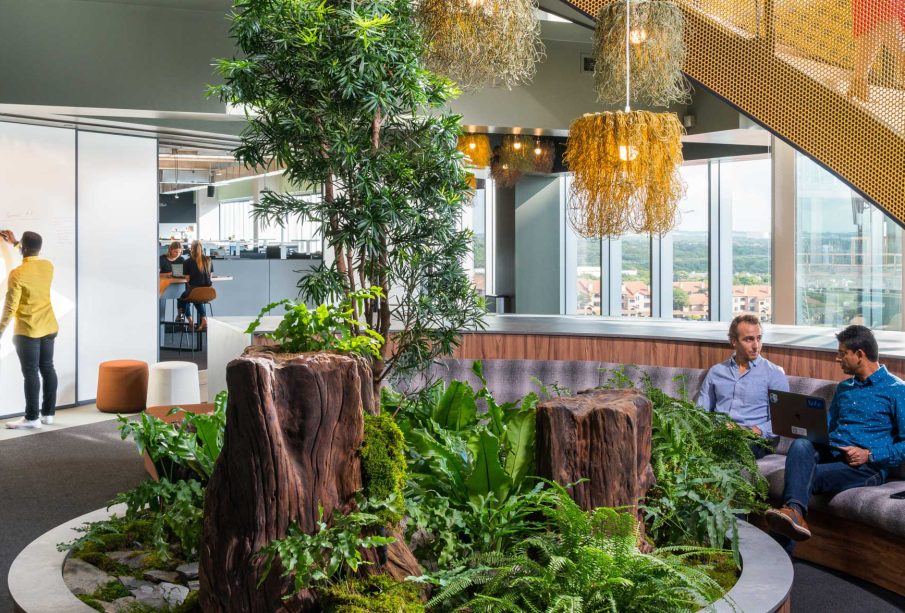
Unveiling the Chicago Design Scene: A Creative Landscape
The Pulse of Chicago’s Interior Design Community
Chicago has long been hailed as a hub of innovation and creativity, particularly in the realm of interior design. With its rich architectural heritage and diverse cultural influences, the city acts as a vibrant canvas for designers to express their unique visions. At the heart of Chicago’s design scene is a dynamic community comprising seasoned professionals, emerging talents, and design enthusiasts who actively shape the industry through collaboration, education, and creativity. From high-profile projects that grace the skyline to intimate residential spaces that reflect personal journeys, Chicago’s design landscape is multifaceted, showcasing styles ranging from modern minimalism to eclectic bohemian.
The city is home to numerous design schools and institutions, fostering a robust pipeline of fresh talent ready to enter the industry. Organizations such as the American Society of Interior Designers (ASID) and the Interior Design Society (IDS) play pivotal roles in connecting designers with resources, networking opportunities, and continuing education. Events like the Chicago Design Week, showcasing a variety of workshops, expos, and panel discussions, galvanize the design community and inspire collaboration. These gatherings reflect an ethos of exploration, inviting designers to push boundaries and embrace new ideas while paying homage to the city’s rich architectural legacy. The confluence of these factors creates a pulsating environment characterized by creativity, collaboration, and continuous growth.
Hidden Gems: Notable Design Firms and Their Impact
Among the many design firms operating in Chicago, several stand out for their innovation and influence. Firms like Studio Gang, designed by renowned architect Jeanne Gang, have garnered international acclaim for their emphasis on sustainable design. Their projects not only highlight aesthetic appeal but also prioritize environmental considerations, making a strong case for ecological responsibility. Another notable example is the Chicago-based firm, Gensler. Known for its holistic approach, Gensler integrates architecture, design, and engineering to create purposeful environments that resonate well with users while shaping the community around them.
Smaller firms like TACK Architects and HPA Architecture also play a vital role in the local design ethos by offering personalized services and bespoke solutions tailored to clients’ needs. These firms often bring a hands-on approach, fostering close collaborations and ensuring that every detail aligns with the client’s vision. Additionally, local boutiques and retail spaces, such as Design Within Reach and The Merchandise Mart, serve as incubators of new ideas, showcasing the work of local designers and offering a platform for networking and creativity.
The impact of these firms not only elevates the industry’s standards but also sets precedents for design excellence and ethics in the broader community, emphasizing the message that thoughtful design can significantly influence the quality of life.
Events and Networks: Connect with Fellow Designers
Networking is a crucial aspect of establishing and advancing a career in interior design, and Chicago offers a plethora of avenues for burgeoning designers to forge connections. Events such as the Chicago Design Summit and the NeoCon trade fair provide invaluable opportunities for attendees to mingle with industry leaders, explore new products, and glean insights into the latest trends. The networking potential at these gatherings can catalyze career development, fostering relationships that lead to job opportunities, collaborations, and mentorships.
Moreover, joining professional organizations like ASID and IDS not only provides access to a wealth of resources but also facilitates meaningful connections through local chapters and events. These organizations often host workshops, seminars, and community outreach projects that allow designers to learn from one another, share experiences, and collaborate on initiatives. Additionally, online platforms like LinkedIn and Instagram have transformed how designers showcase their portfolios and connect with others in the field. By utilizing these platforms effectively, designers can expand their reach, gain visibility, and engage with like-minded individuals, creating a robust and supportive community both online and offline.
Essential Skills for the Aspiring Interior Designer
The Art of Spatial Awareness: Designing for Functionality
Spatial awareness is a fundamental skill for any successful interior designer. It goes beyond simply understanding the dimensions of a space; it involves an acute awareness of how individuals interact with their environment. This understanding allows designers to create spaces that not only look aesthetically pleasing but also function effectively for their intended purposes. For example, when designing a residential space, a designer must consider the flow of movement, the purpose of each room, and how natural light interacts with the elements indoors.
Other critical aspects include understanding ergonomics—designing furniture and spaces that promote comfort and usability. In commercial spaces, this skill takes on added significance; a well-designed workspace can enhance productivity and employee satisfaction. Therefore, interior designers must be adept at balancing personal tastes with practical needs, ensuring that their designs serve real-life functions while still being visually engaging. This attention to detail and capacity to envision how people utilize a space will significantly affect a designer’s success in the industry.
Mastering Color Theory: Creating Cohesive Spaces
The ability to master color theory is a cornerstone in the craft of interior design. Color can evoke a wide range of emotions and responses, influencing how we perceive spaces. It sets the mood, creates visual continuity, and can even affect behaviors and productivity. Understanding the psychological implications of color is essential for designers seeking to create harmonious and effective environments. For instance, warmer tones can stimulate, while cooler shades tend to have a calming effect. Mastering color theory involves knowing how to create palettes that balance colors harmoniously while also considering factors such as light, texture, and the overall aesthetic of the space.
Cohesion in color schemes can be achieved through the use of color wheels, schemes like monochromatic, analogous, or complementary colors, and the implementation of accent colors to highlight focal points within a room. Aspiring designers must also attune themselves to current color trends—from Sherwin-Williams’ Color of the Year to Pantone’s annual selections—that resonate with contemporary societal themes and client preferences. The impact of effective color application is profound, as it can transform a space from dull to striking, drawing attention to design elements and enhancing the overall feel of an environment.
Technical Acumen: Tools Every Designer Should Master
In today’s fast-evolving design landscape, technical proficiency is paramount. Interior designers must be familiar with a range of software tools to communicate ideas, visualize concepts, and present designs effectively. Programs such as AutoCAD, SketchUp, and Revit are widely used in the industry for drafting, modeling, and visualizing designs in structured, detailed formats. Familiarity with 3D rendering software, like V-Ray or Lumion, allows designers to create lifelike visualizations, providing clients with a clearer understanding of the final outcome before implementation.
Additionally, proficiency in graphic design software, such as Adobe Creative Suite, is beneficial for creating mood boards, presentations, and marketing materials that effectively convey design ideas. Understanding the technical intricacies of space planning, materials, and construction methods is equally crucial. Knowledge of building codes, regulations, and sustainable practices ensures that designs comply with safety and environmental standards, further enhancing a designer’s credibility and effectiveness. Aspiring designers should stay updated with emerging technologies like Virtual Reality (VR) and Augmented Reality (AR), which are increasingly being integrated into design processes for a more immersive experience.
Navigating Job Opportunities: From Freelance to Full-Time
Building a Compelling Portfolio: What Sets You Apart
Your portfolio is your calling card in the interior design industry and can make or break your job prospects. To stand out in the competitive interior design jobs in Chicago market, it’s essential to curate a portfolio that highlights not only your best work but also your design philosophy and process. A compelling portfolio should include a variety of projects that demonstrate your range—from residential and commercial designs to conceptual works. Detailed documentation of each project, including the design narrative, challenges faced, and the solutions implemented, offers insights into your critical thinking and problem-solving abilities.
In addition to project work, including sketches, mood boards, and photographs can enrich your portfolio, providing a well-rounded view of your creative capabilities. The presentation of your portfolio matters just as much as its contents; ensure it is visually appealing, easy to navigate, and tailored to the audience you are presenting to. Consider creating both a physical portfolio for in-person interviews and a digital version for online applications. Utilizing platforms like Behance or creating a personal website can further enhance your visibility and allow you to reach a broader audience. Remember, every piece you include should tell a story about who you are as a designer and the unique perspective you bring to every project.
Networking Strategies: Leverage LinkedIn and Beyond
Understanding how to effectively network can significantly enhance your job prospects and career development as an interior designer. LinkedIn has emerged as a powerful platform for professionals across industries, including design. Building a comprehensive profile that highlights your skills, education, and experiences can attract potential employers and collaborators. Regularly sharing content—such as design projects, articles, and insights—can also raise your profile visibility and position you as a knowledgeable authority in the field. Joining LinkedIn groups centered on interior design can facilitate discussions, provide leads on job opportunities, and offer insights from seasoned professionals.
Aside from online networks, face-to-face networking remains crucial. Attend industry events, exhibitions, and workshops to connect with fellow designers and industry leaders. Participating in local chapter meetings of organizations like ASID or IDS can lead to valuable relationships and opportunities. Don’t hesitate to follow up with individuals you meet, whether it’s for advice, mentorship, or potential collaborations. Over time, nurturing these relationships can lead to job offers, recommendations, or partnerships. Cultivating a strong network is not just about immediate job opportunities; it’s about building a supportive community that can guide you throughout your career journey.
Finding Internships and Entry-Level Positions: Your Launchpad
Securing internships or entry-level positions is often the gateway to building a successful career in interior design. Many companies in Chicago, from large firms to small boutique studios, offer internships as a way to identify and cultivate emerging talent. It is crucial to actively seek out these opportunities by researching design firms in the area and keeping track of their career pages for openings. Websites like Indeed, Glassdoor, and even specific design job boards can help you find listings tailored to aspiring interior designers.
When applying for internships, tailor your resume and cover letter to highlight relevant skills and experiences, as well as your passion for design. Including any coursework, projects, or volunteer work can demonstrate your dedication to the field. Prepare for interviews by researching the firm’s work and articulating how your goals align with their design philosophy. For many, internships can lead to full-time positions or valuable connections that will serve beneficially in your career trajectory. Additionally, consider using your time in school to gain experience through research projects, collaborating with local businesses, or participating in internships that expose you to a range of design practices.
The Future of Interior Design: Trends and Innovations
Sustainable Design: Where Eco-Friendly Meets Aesthetic
Sustainability has become a primary focus within interior design, as both professionals and clients increasingly prioritize eco-friendly practices. The demand for sustainable design stems from a growing awareness of environmental issues and a desire to reduce carbon footprints. Designers today are harnessing creativity to integrate green materials, energy-efficient solutions, and waste-reducing strategies into their projects. This trend not only promotes accountability but also appeals to an audience that values ethical practices and responsible consumption.
Innovative materials like reclaimed wood, recycled metal, and sustainable textiles are gaining traction, allowing designers to create beautiful spaces while minimizing environmental impact. Additionally, the use of biophilic design—incorporating natural elements such as plant life and water features—offers numerous benefits to occupants’ well-being, enhancing clarity of mind and productivity. As the concept of sustainability gathers momentum, interior designers must stay informed about emerging materials and methods that support a greener future, blending aesthetics with social responsibility and ecological awareness.
Smart Homes: Integrating Technology into Design
As technology continues to advance at unparalleled rates, the integration of smart home technology is transforming the landscape of interior design. Home automation systems, smart appliances, and IoT devices are shaping the way designers develop functional spaces that cater to contemporary lifestyles. From automated lighting and temperature control to integrated entertainment systems, these technologies enhance convenience and efficiency while offering an elevated user experience.
Interior designers must keep abreast of the latest technological innovations to offer clients solutions that not only streamline operations but also foster a seamless blend of aesthetics and function. For example, incorporating technology within furniture design, such as desks with built-in wireless charging or app-controlled lighting, reflects an understanding of modern consumer needs. Moreover, as homes evolve into multifunctional spaces, designers now face the challenge of balancing technology with aesthetics, ensuring that tech installations feel integrated and unobtrusive in their environments.
The Role of Culture and Diversity in Modern Interiors
The interior design profession is increasingly recognizing the significance of cultural influences and diversity in shaping spaces that reflect the lives and histories of their occupants. Designers today understand that a space can tell a story—one that encompasses cultural heritage, personal experiences, and social contexts. This awareness drives a need for inclusivity that honors different perspectives and celebrates individual identity through design.
Moreover, incorporating cultural elements into design can offer transformative experiences for users, creating environments that resonate on a deeper emotional level. For example, utilizing textiles, colors, and motifs that reflect a client’s background or community can elicit a sense of belonging and pride. This trend also fosters a more harmonious relationship between spaces and their users by bridging connections with the world outside. The future of interior design lies in the professionals’ ability to navigate and honor diversity, ensuring that every project tells a unique story while championing inclusivity, understanding, and cultural richness.
FAQ
Question: What educational qualifications are needed to become an interior designer? – Generally, a bachelor’s degree in interior design, architecture, or a related field is required. Some positions may also require certification or licensure depending on the state.
Question: How important is a personal style in interior design? – While personal style is important, successful designers must also be able to adapt to clients’ needs and preferences, balancing their creativity with functionality and client vision.
Question: Are there specific software programs that aspiring interior designers should learn? – Aspiring interior designers should be proficient in software such as AutoCAD, SketchUp, and Adobe Creative Suite, as well as 3D rendering programs like Revit or V-Ray to effectively visualize and communicate their designs.
Question: What role does client collaboration play in the design process? – Client collaboration is crucial, as it ensures that the designer’s vision aligns with the client’s expectations and personal preferences, ultimately leading to more satisfying project outcomes.
Question: How can a designer stay updated with industry trends? – Designers can stay updated by attending trade shows, workshops, and networking events, as well as following design publications, social media channels, and influential designers in the field.
Question: What types of projects do interior designers typically work on? – Interior designers work on a range of projects, including residential homes, commercial spaces, hospitality venues, and public spaces, each requiring different approaches and design solutions.
Question: Is it necessary to have a formal portfolio when applying for jobs? – Yes, a formal portfolio is essential as it showcases your skills, creativity, and past work, helping to differentiate you from other candidates during the job application process.
Question: How can one effectively network within the interior design community? – Effective networking can be achieved by attending industry events, joining professional organizations like ASID or IDS, participating in online design forums, and actively engaging with fellow designers on social media platforms like LinkedIn and Instagram.
Useful Resources
- American Society of Interior Designers (ASID)
- Interior Design Society (IDS)
- Council for Interior Design Accreditation (CIDA)
- American Institute of Architects (AIA)
- Design School
- National Council for Interior Design Qualification (NCIDQ)
- Architectural Digest
- Chicago Design Ideas